Procuring a plastic extrusion machine is a high-stakes capital expenditure where mismatched specifications lead to chronic material waste, inconsistent tolerances, and operational bottlenecks. Standardized, off-the-shelf equipment often fails to accommodate specific polymer rheology, complex product geometries, or the growing demand for processing recycled materials. Buyers frequently struggle to balance upfront capital costs with long-term operational efficiency, energy consumption, and maintenance downtime. Selecting the right equipment requires a systematic evaluation of material requirements, melt mechanics, downstream integration, and manufacturer reliability. This guide provides a technical framework for evaluating and shortlisting complete extrusion production lines based on verifiable performance metrics.
Material Dictates Mechanics: The choice between single and twin-screw configurations depends entirely on the thermal stability, shear sensitivity, and purity of your specific polymer (e.g., virgin PVC vs. recycled regrind).
Geometry Drives Downstream Needs: Complex cross-sections require specialized calibration and cooling systems, making complete production line matching just as critical as the extruder itself.
Waste Minimization is a Profit Center: Modern process controls, gravimetric dosing, and closed-loop feedback systems are essential for minimizing scrap and optimizing material usage.
Evaluating a profile machine price must include energy efficiency ratings, scrap reduction capabilities, and anticipated maintenance cycles, not just the initial purchase order.
Manufacturer Vetting is Non-Negotiable: A reliable plastic extrusion machine manufacturer must offer transparent Factory Acceptance Testing (FAT) and guaranteed post-installation technical support.
Defining Baseline Production Requirements
Analyzing Product Geometry and Tolerances
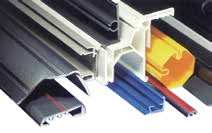
Cross-sectional complexity dictates your initial machine selection and heavily influences complete production line matching. Intricate profiles demand specific downstream calibration to maintain shape during the critical cooling phase. When polymer exits the die, it experiences die swell. The calibration tooling must account for this expansion immediately. Uneven wall thicknesses cause differential cooling rates, which will warp the profile if the vacuum sizing tank lacks independent zone controls. You must evaluate the requirements for special-shaped profile extrusion equipment carefully. Custom dies and multi-axis calibration tables are mandatory for complex geometries. Specialized cutting saws ensure clean finishes without deforming the plastic during the cut-to-length process. Acceptable dimensional tolerances define the required precision of your equipment and dictate the necessary capabilities of your drive and control systems.
Material Rheology, Thermal Properties, and Sustainability
Evaluate the melt flow index (MFI) of your target materials before looking at machine specs. Understand their shear sensitivity and thermal degradation points thoroughly. Virgin resins behave predictably under heat and pressure. Recycled regrind introduces massive variables. Recycled materials often exhibit inconsistent viscosity curves that cause surging at the die head. Moisture-rich recycled plastics require specialized venting on the barrel. Vacuum degassing zones prevent internal voids and surface defects that ruin structural integrity. Processing sustainable materials demands robust filtration. Contaminants in regrind will score the barrel and damage standard dies if not filtered out through continuous screen changers.
Material Type
Processing Challenge
Required Machine Adaptation
Virgin Polyolefins (PE, PP)
Maintaining consistent melt temperature at high speeds
High L/D ratio single screw, barrier flight design
Rigid PVC
High shear sensitivity, rapid thermal degradation
Conical or parallel twin-screw, low RPM, oil cooling
Establish realistic production targets in kilograms per hour based on your downstream cooling capacity, not just the extruder's maximum output. Theoretical maximum throughput rarely equals optimal operating speeds on the floor. Pushing equipment too fast compromises product quality immediately. It leads to melt fracture, poor surface finish, and dimensional instability. High speeds reduce residence time in the barrel, preventing proper melting and mixing of colorants or UV stabilizers. Focus on the sustainable yield rather than the maximum nameplate capacity. Consistent, slightly slower production yields significantly less scrap than erratic high-speed runs that overwhelm the calibration table.
Evaluating Core Extruder Technologies
Single-Screw vs. Twin-Screw Configurations
Mechanical differences dictate primary use cases for extruders. Single-screw extruders rely on friction against the barrel wall for melting and conveying. They work best for standard polymers like polyethylene, polypropylene, and ABS. Twin-screw extruders provide positive displacement and superior mixing. They offer high shear mixing capabilities for complex formulations. Co-rotating or counter-rotating twin-screw setups are mandatory for heat-sensitive materials. Highly compounded or heavily filled polymers require this specific configuration. Twin screws prevent material stagnation, ensuring a first-in, first-out flow that prevents thermal degradation.
Specialized Profile Extrusion Lines
Processing polyvinyl chloride requires a dedicated PVC profile extrusion machine. Conical or parallel twin-screw designs prevent material degradation effectively by operating at lower RPMs while maintaining high output. They handle high calcium carbonate filler loads without excessive wear on the flights. Wood-plastic composites demand a specialized WPC plastic profile machine. Wood fibers act like sandpaper inside the barrel. Bimetallic barrels and screws provide necessary wear resistance against this extreme abrasion. Aggressive moisture venting removes water from the wood fibers during processing to prevent foaming at the die. Standard profile extrusion machine setups handle standard profiles efficiently. Versatile single-screw setups ensure precise diameter control for simple geometries like tubes or edge banding.
Critical Technical Specifications to Scrutinize
Screw Design, L/D Ratios, and Melt Mechanics
The Length-to-Diameter (L/D) ratio impacts melt homogeneity directly. It determines residence time and output stability under pressure. Longer ratios (like 30:1 or 36:1) provide better mixing for complex polymer compounds and allow for multiple venting zones. Compression ratios and mixing elements must match the specific polymer. Specific flight geometries optimize melt mechanics for your exact application. Barrier screws separate melted polymer from solid pellets within the channel. This prevents un-melted solids from reaching the die head and causing surface defects. Proper screw design reduces surging, stabilizes head pressure, and ensures a uniform melt temperature across the entire profile cross-section.
Process Control, Sensors, and Waste Minimization
Gravimetric dosing systems ensure precise material blending continuously. They weigh every gram of resin, regrind, and additive entering the feed throat. This minimizes expensive resin waste during daily production and prevents color variations. Melt pressure transducers provide real-time process monitoring capabilities. Melt temperature sensors help troubleshoot common extrusion defects instantly. Continuous screen changers are critical for processing recycled plastics. Melt filtration systems remove potential contaminants efficiently without stopping production. Dual-piston designs allow screen changes while maintaining melt pressure, preventing dimensional variations in the final profile during the screen shift.
Drive Systems, Motors, and Gearboxes
The drive system is the heart of the extruder. AC motors paired with variable frequency drives offer good efficiency for standard operations. Permanent magnet synchronous motors (PMSM) provide superior energy savings and higher torque at lower speeds for continuous operations. High-torque gearboxes withstand continuous backpressure from the die. Integrated thrust bearings are essential for heavy-duty extrusion operations. Thrust bearing failure remains a primary cause of unplanned downtime in extrusion facilities. Specify oversized bearings for applications involving high-viscosity materials. Proper gearbox lubrication systems with external heat exchangers extend the lifespan of the entire drive unit.
Heating, Cooling, and Temperature Control
PID temperature controllers ensure precise thermal management across all barrel zones. Solid-state relays provide rapid heating adjustments without the mechanical wear associated with traditional contactors. Barrel cooling mechanisms prevent material overheating in high-shear zones. Closed-loop water cooling manages high-shear operations better than simple air blowers. Water cooling extracts heat rapidly when processing shear-sensitive polymers like PVC. Proper thermal management prevents polymer degradation, maintains physical properties, and keeps the melt viscosity stable as it enters the die.
Assessing Operational Efficiency and Equipment Value
Deconstructing the Capital Investment
Evaluating the profile machine price requires looking beyond the initial quote. The base investment typically includes the extruder, die head, downstream calibration table, haul-off unit, and the main control panel. Hidden expenses often impact the final capital requirement significantly. Consider shipping logistics, heavy rigging, electrical drops, and chilled water piping requirements. Initial spare parts inventory adds to the upfront capital needed. Factory acceptance testing, specialized tooling, and operator training represent additional necessary investments that ensure a smooth startup.
Long-Term Operational Efficiency
Model the long-term energy consumption of the equipment carefully. Calculate the kilowatts required per kilogram of processed material. Factor in planned downtime for routine maintenance, die cleaning, and screen changes. Screw and barrel replacements represent significant operational variables over time. Highly abrasive materials accelerate wear on plasticizing components. Investing in bimetallic treatments increases upfront costs but extends component lifespan drastically. Efficient water cooling systems reduce overall utility consumption and prevent the facility's chiller from being overworked.
Automation, IoT, and Labor Efficiency
Advanced control systems improve overall labor efficiency on the floor. Programmable logic controllers (PLCs) enable automated start-ups and shutdowns, reducing the reliance on tribal knowledge. Human-machine interfaces (HMIs) simplify recipe storage and reduce setup scrap during product changeovers. Industry 4.0 connectivity allows for remote diagnostics by the manufacturer. Predictive maintenance prevents unexpected production halts and equipment damage by monitoring vibration and temperature spikes in the gearbox. Seamless communication across the production line synchronizes the extruder speed with the haul-off unit automatically. Automated downstream cutting and stacking reduce manual labor requirements at the end of the line.
Vetting an Extrusion Equipment Manufacturer
Engineering and Customization Capabilities
Assess the manufacturer's ability to design custom screws and dies in-house. Outsourcing die design often leads to integration issues and finger-pointing later. Verify their experience with your specific material and application. Product application knowledge is crucial for long-term success. Complete production line integration demonstrates true engineering capability. A competent manufacturer understands how cooling tank design affects profile straightness. They should offer custom calibration tooling tailored to your product drawings and guarantee the final part dimensions.
Factory Acceptance Testing (FAT) Protocols
Define strict criteria for a rigorous factory acceptance test. Run the machine with your actual production material, not a generic substitute. Include any recycled content you plan to use daily. Prove throughput claims and dimensional tolerances before authorizing shipment. Verify melt stability under continuous operating conditions for several hours. Monitor energy consumption during the test to verify efficiency claims. A successful FAT prevents costly modifications after installation.
Supply the manufacturer with your exact resin blend and regrind ratio.
Require a continuous run of at least four hours to prove thermal stability.
Measure the final profile against your CAD drawings using digital calipers.
Test the synchronization of the haul-off unit during speed changes.
Simulate a screen change to verify pressure recovery times.
After-Sales Support and Parts Availability
Evaluate the specific terms of the equipment warranty carefully. Check the availability of local service technicians in your region. Lead times for critical replacement parts matter immensely for uptime. Heaters, thermocouples, barrel cooling fans, and screw segments must be readily accessible. Request a recommended spare parts list during the procurement phase and order it with the machine. Verify the manufacturer offers remote troubleshooting via secure internet connections. Fast technical support minimizes the impact of unexpected breakdowns on your production schedule.
Implementation Risks and Mitigation Strategies
Risk: Material Inconsistency and Contamination
Recycled materials often introduce unpredictable variables into the extrusion process. Contaminants block dies, cause severe surface defects, and create weak points in the profile structure. Mitigation: Specify advanced melt filtration systems for all recycled streams. Dual-piston screen changers handle high contamination levels without pressure drops. Vacuum degassing systems prevent voids caused by trapped moisture in the regrind.
Risk: Facility Integration and Utility Bottlenecks
Inadequate infrastructure halts production immediately upon installation. Insufficient cooling capacity leads to warped profiles and rejected parts because the plastic cannot hold its shape. Mitigation: Conduct a thorough pre-installation utility audit. Verify chilled water capacity, flow rates, and compressed air stability. Ensure electrical load limits meet the maximum machine requirements, including all downstream heating and cooling zones.
Risk: Operator Knowledge Gaps and Troubleshooting
Untrained staff cause excessive scrap and potential machine damage. Incorrect temperature settings degrade material, foul the screw, and create dangerous pressure spikes at the die head. Mitigation: Mandate comprehensive on-site training from the manufacturer. Cover startup procedures, shutdown purging, and sensor data interpretation thoroughly. Teach operators how to troubleshoot melt mechanics, surging issues, and die drool.
Risk: Downstream Calibration Failures
Poor synchronization deforms the final product before it cools. Inconsistent pull speeds from the caterpillar haul-off cause variations in wall thickness and overall profile weight. Mitigation: Ensure vacuum sizing tanks operate perfectly with the extruder. Synchronize haul-off units with the extruder speed precisely using rotary encoders. Closed-loop control systems prevent profile deformation during the pulling process by automatically adjusting line speed based on laser diameter gauges.
Conclusion
Choosing the right equipment means matching mechanical specifications to material realities. Over-specifying leads to wasted capital and underutilized assets on the floor. Under-specifying guarantees chronic production failures, excessive daily scrap, and missed delivery deadlines. Prioritize manufacturers who offer transparent engineering data and robust support. Demand material testing prior to finalizing any equipment specifications. Require complete production line matching and comprehensive factory testing before signing off on the final payment.
Compile your product drawings, material data sheets, and regrind percentages into a single technical document.
Define your exact throughput, dimensional tolerance, and floor space requirements clearly.
Submit a standardized Request for Proposal to vetted manufacturers who specialize in your specific polymer.
Compare technical specifications, gearbox ratings, and cooling capacities rather than just the initial quote.
Schedule a facility audit to verify your chilled water and electrical capacities before issuing a purchase order.
FAQ
Q: What is the difference between a single-screw and twin-screw plastic extrusion machine?
A: Single-screw machines rely on friction for melting and conveying. They are ideal for standard polymers like polyethylene and polypropylene. Twin-screw machines provide positive displacement and high shear mixing. This makes them necessary for heat-sensitive materials like PVC or heavily compounded plastics that require precise temperature control and aggressive venting.
Q: How do I evaluate a commercial profile machine price?
A: Evaluating the profile machine price requires analyzing the complete system value. Base quotes vary based on origin, capacity, and automation levels. Always factor in energy efficiency, maintenance requirements, the inclusion of downstream equipment, and the cost of spare parts when comparing different manufacturer proposals.
Q: Why do I need a specialized PVC profile extrusion machine?
A: PVC is highly shear-sensitive and prone to rapid thermal degradation. Specialized machines use conical or parallel twin screws. These operate at lower RPMs. They provide gentle, uniform melting without burning the material during processing, and they handle high filler loads efficiently.
Q: What features are critical for WPC plastic profile machines?
A: Wood-Plastic Composites are highly abrasive due to wood fiber content. Machines require bimetallic treated barrels and screws for extreme wear resistance. They also need specialized vacuum venting systems to remove moisture from the wood fibers during extrusion to prevent foaming at the die.
Q: How do I evaluate special-shaped profile extrusion equipment?
A: Evaluation should focus heavily on the downstream components. Complex shapes require highly customized vacuum calibration tables to hold the geometry during cooling. Precise multi-caterpillar haul-off units and specialized cutting saws are necessary to maintain tolerances without deforming the profile.
Q: Can a standard extrusion machine process recycled plastics?
A: Processing recycled plastics efficiently requires specific machine adaptations. Look for machines equipped with robust melt filtration to remove impurities without stopping the line. Vacuum degassing zones extract trapped moisture. Gravimetric dosing ensures consistent blending of recycled and virgin materials.