Characteristics of Hot Mill Roller | High-rigidity body | Precision Temperature Control System | Structural Design and Operational Matching |
The function of Hot Mill Roller | Resists pressure with “zero deformation,” eliminating thickness tolerances at the source | Eliminates internal stress through “thermal uniformity” to prevent warping and deformation. | Precision Empowerment for Different Processes |
One
The flatness of plastic sheets and nonwoven fabrics is one of the core indicators for assessing their quality grade. It directly impacts product appearance, subsequent processing performance, and end-user experience, serving as the key threshold for elevating materials from merely “functional” to “high-performance” and “exquisite.”
From the perspective of product appearance and commercial value, plastic sheets with poor flatness used for thermoforming can lead to issues such as printing misregistration, inconsistent forming depths, and even cracking. When used as decorative display materials, poor flatness diminishes transparency and the perception of high-end quality, negatively affecting the selling price. Poor flatness in nonwoven fabrics reduces the uniformity of the fabric surface, impacts the softness and tactile feel, and can result in uneven coating or even tearing during lamination and coating processes.
In subsequent processing stages, flatness serves as the foundation for automation and high-speed production. During winding and slitting, poor flatness can cause uneven edges, wrinkles, and misalignment. In lamination and coating processes, it affects the uniformity of the coating and the strength of the bond. In printing and bag-making, it can lead to ghosting patterns and registration errors.
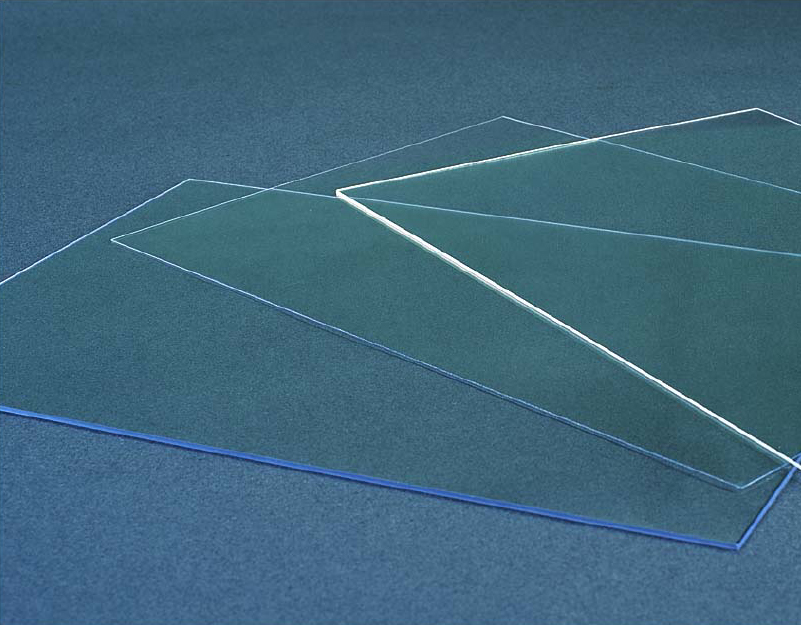
Regarding the performance and user experience of the final product, flatness influences structural stability, sealing and protective performance, as well as the overall user experience. For example, thermoformed products may have reduced load-bearing capacity, packaging seals may fail to close properly, and the tactile comfort of nonwoven fabrics used in daily life can be compromised.
Flatness is a comprehensive reflection of multiple factors, including the raw material formulation, extrusion/web-forming process, temperature uniformity of the rollers, pressure stability, and winding tension control. Among these, the temperature uniformity of the calender rollers, the surface precision of the polishing rollers, and the stability of pressure serve as the final checkpoint for controlling flatness. Significant temperature differences across the roller surface or uneven pressure can lead to inconsistent material shaping and the generation of internal stresses, ultimately resulting in warping and deformation.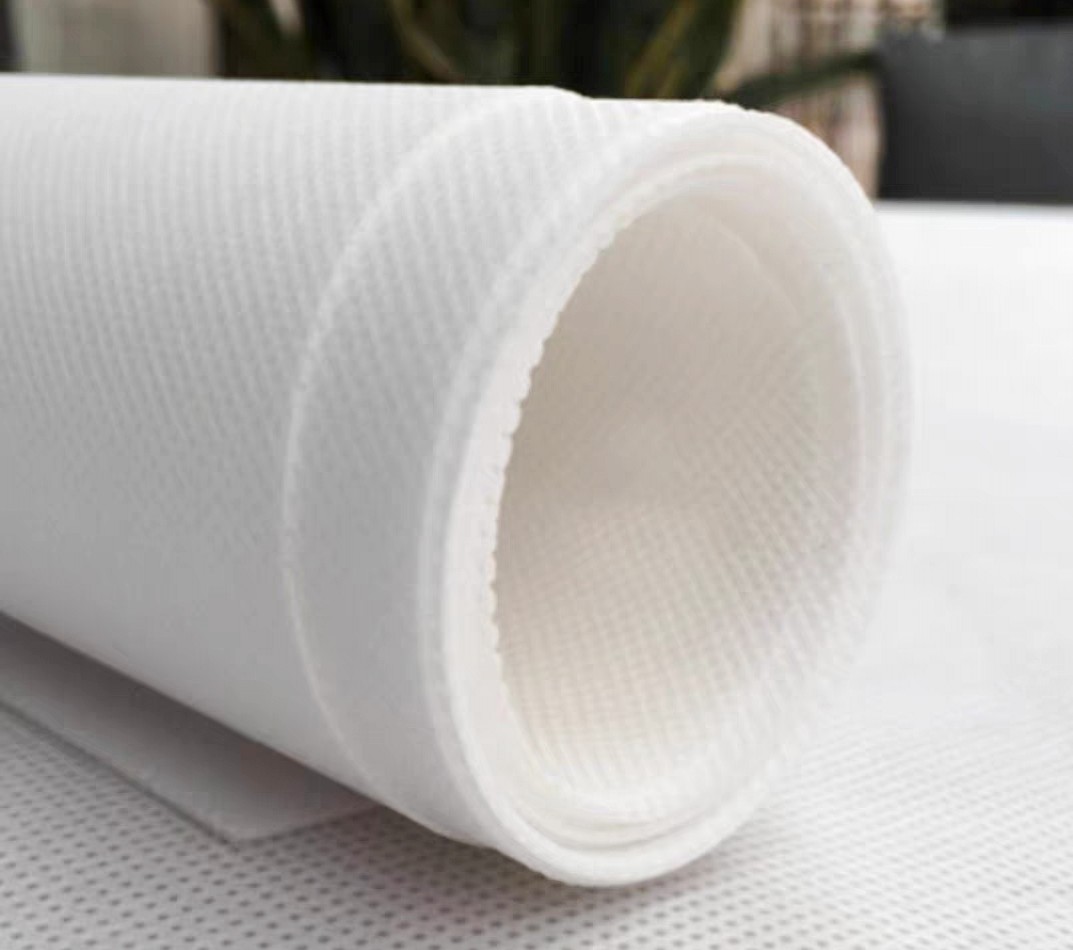
Two
The reason high-rigidity Hot Mill Roller from Anhui Jwell can become the core component for ensuring the flatness of plastic sheets and nonwoven fabrics is that flatness is achieved through "pressing," but even more so through "uniformity." The rigidity of the roller, the uniformity of its temperature, and the precision of its surface collectively determine the stress distribution and cooling effect experienced by the material at the critical moment of forming.
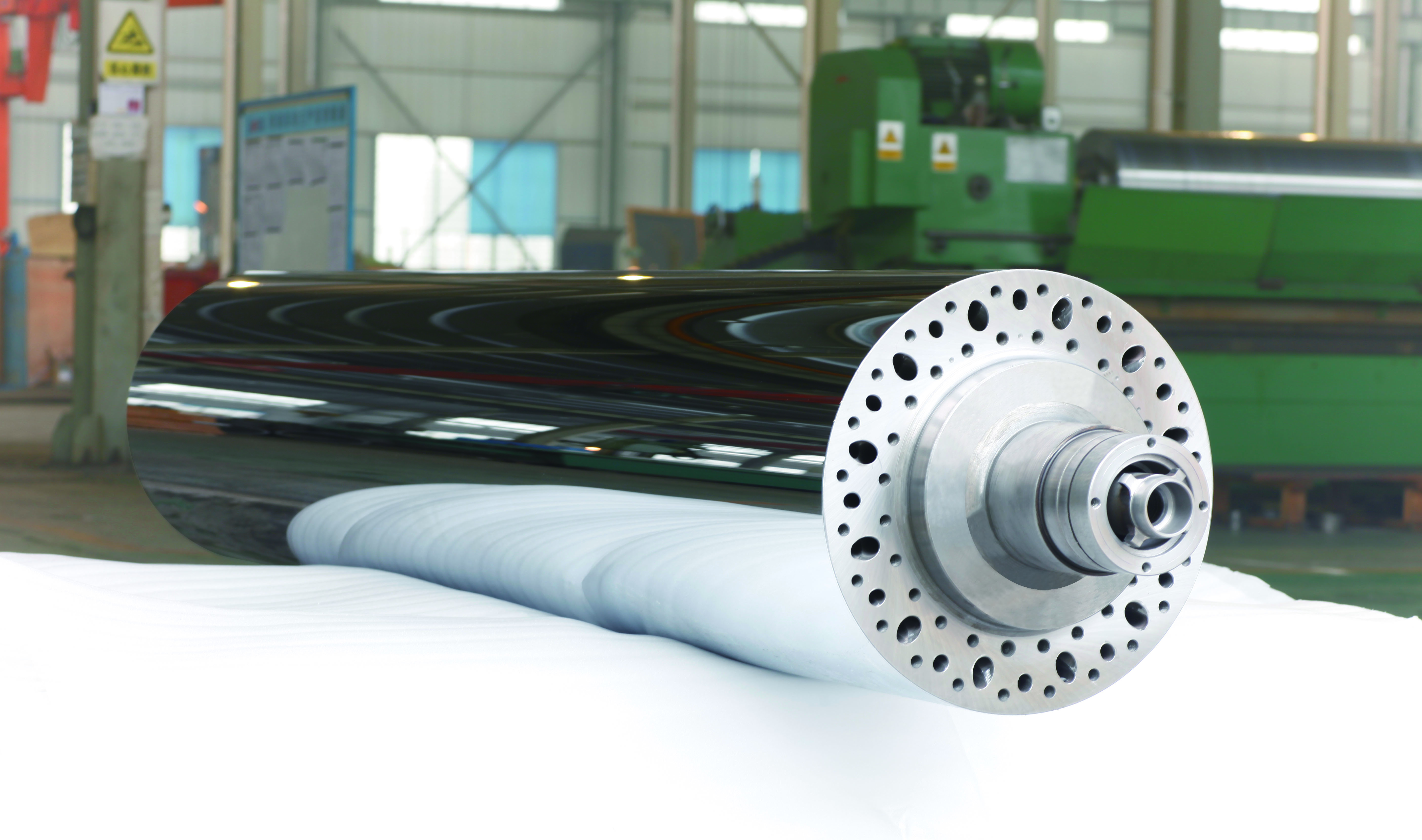
1 High-rigidity body: Resists pressure with “zero deformation,” eliminating thickness tolerances at the source.
The use of high-quality alloy steels such as 38CrMoAlA, 42CrMo, and 60CrMoV in the construction of Hot Mill Roller from Suzhou Jwell is precisely to endow the rollers with an extremely high elastic modulus and flexural strength.
Resistance to Deformation Under Pressure: During the calendering process of plastic sheets or nonwoven fabrics, the rollers are subjected to immense linear pressure. If the rigidity is insufficient, the rollers will undergo micron-level bending deflection, directly causing the nip gap to be larger in the middle and smaller at the ends. This results in the final product exhibiting a wedge-shaped tolerance, often described as "thick in the middle, thin at the edges." High-rigidity rollers, however, control the amount of deflection within an extremely tight range, ensuring absolute pressure uniformity across the entire width and stabilizing the thickness precision of the sheet.
Deep Hardness Support: Through heat treatment, the roller surface achieves a hardness of HRC 58~62. This is not only for wear resistance but, more importantly, to maintain the geometric precision of the roller profile during long-term, continuous production, preventing changes in pressure distribution caused by surface wear.
2 Precision Temperature Control System: Eliminates internal stress through “thermal uniformity” to prevent warping and deformation.
The flatness of plastic sheets largely depends on whether the temperature distribution is uniform during cooling and shaping. The two designs you mentioned—the spiral inner liner and the peripheral drilling—are specifically engineered to achieve optimal thermal uniformity:
Minimal Temperature Difference Across the Roller Ends: Unlike traditional flow channel designs from Anhui Jwell, which often result in a hot middle and cold ends on the roller surface, this temperature variation is directly transferred to the material. This can lead to inconsistent molecular orientation during cooling, causing issues such as warping or stress whitening. However, structures like spiral cores or peripheral drilled holes guide the heat transfer medium in forced circulation, controlling the lateral temperature difference across the roller surface within an extremely small range (typically within ±1°C).
Higher Thermal Efficiency: Rapid and uniform heat exchange ensures that as the material passes through the nip, whether it is for the calendering and shaping of amorphous plastics like PC/PMMA or the thermal bonding of nonwoven fabrics, the process is completed under consistent temperature conditions. This prevents localized overheating or underheating, which could otherwise lead to defects such as fish eyes, blemishes, or uneven bonding strength.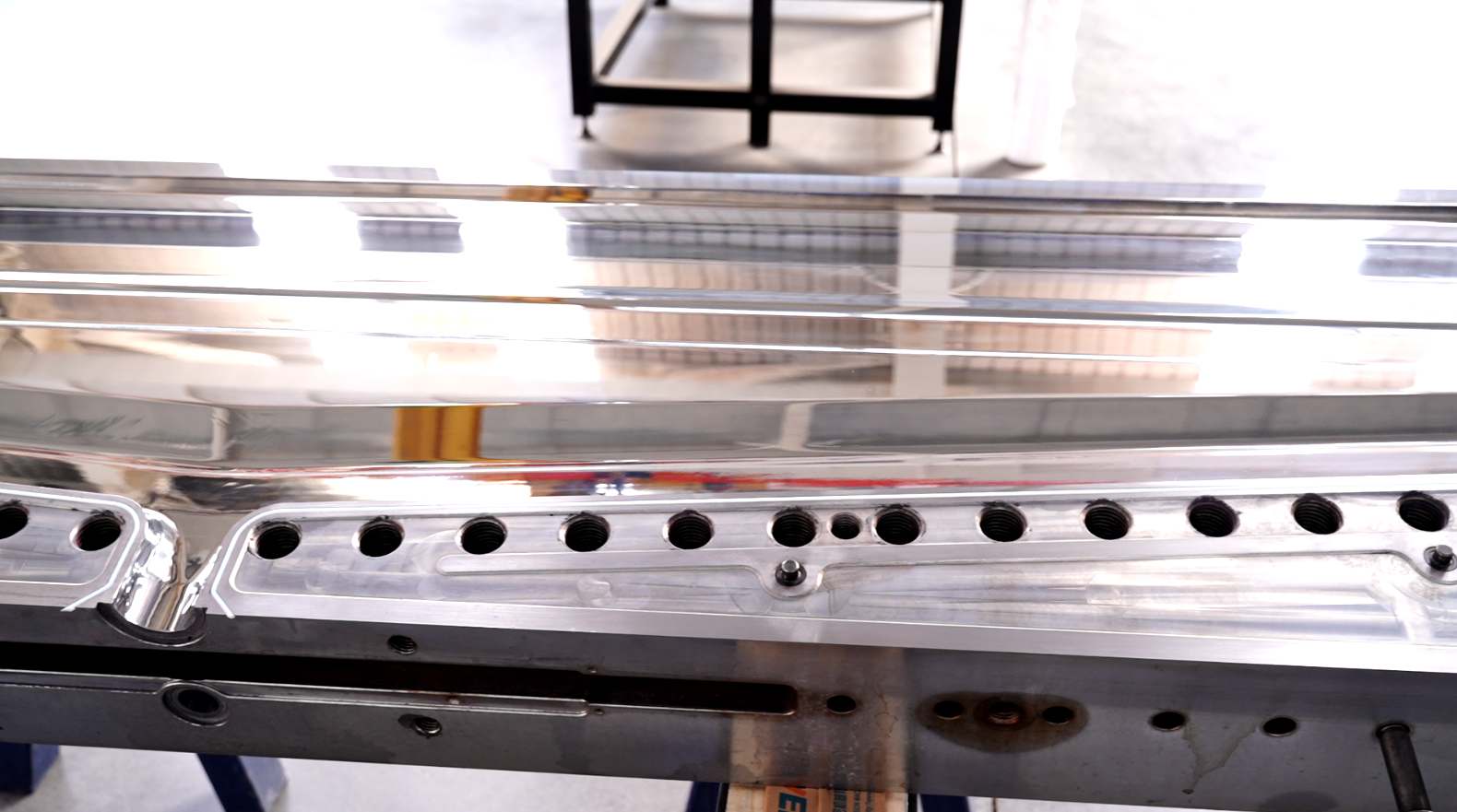
3 Structural Design and Operational Matching: Precision Empowerment for Different Processes
Suitable for Thin Materials: You specifically mentioned applicability for thinner sheets like PC/PMMA, which are extremely sensitive to pressure fluctuations. The "rigid" support provided by high-rigidity rollers effectively suppresses micro-vibrations that may occur during high-speed production, preventing chatter marks on the sheet surface.
Dual Functionality for Calendering and Embossing: In embossing processes for leather or nonwoven fabrics, high rigidity ensures consistent engagement depth between the patterned roller and the backing roller. This guarantees that the embossed pattern remains clear, full, and uniform across the entire width, without any localized blurring.
In Summary: Flatness is a core indicator that elevates plastic sheets and nonwoven fabrics from "usable" to "premium quality," directly impacting product appearance, processing performance, and user experience. The key to controlling it lies in the hot Mill roller from Suzhou Jwell: The high-rigidity alloy steel body achieves "zero deformation" under pressure, eliminating thickness tolerances. Precision temperature control design ensures minimal temperature difference across the roller surface, eliminating internal stress and preventing warping. The optimized structural design adapts to thin materials and embossing processes, guaranteeing flatness at the source.