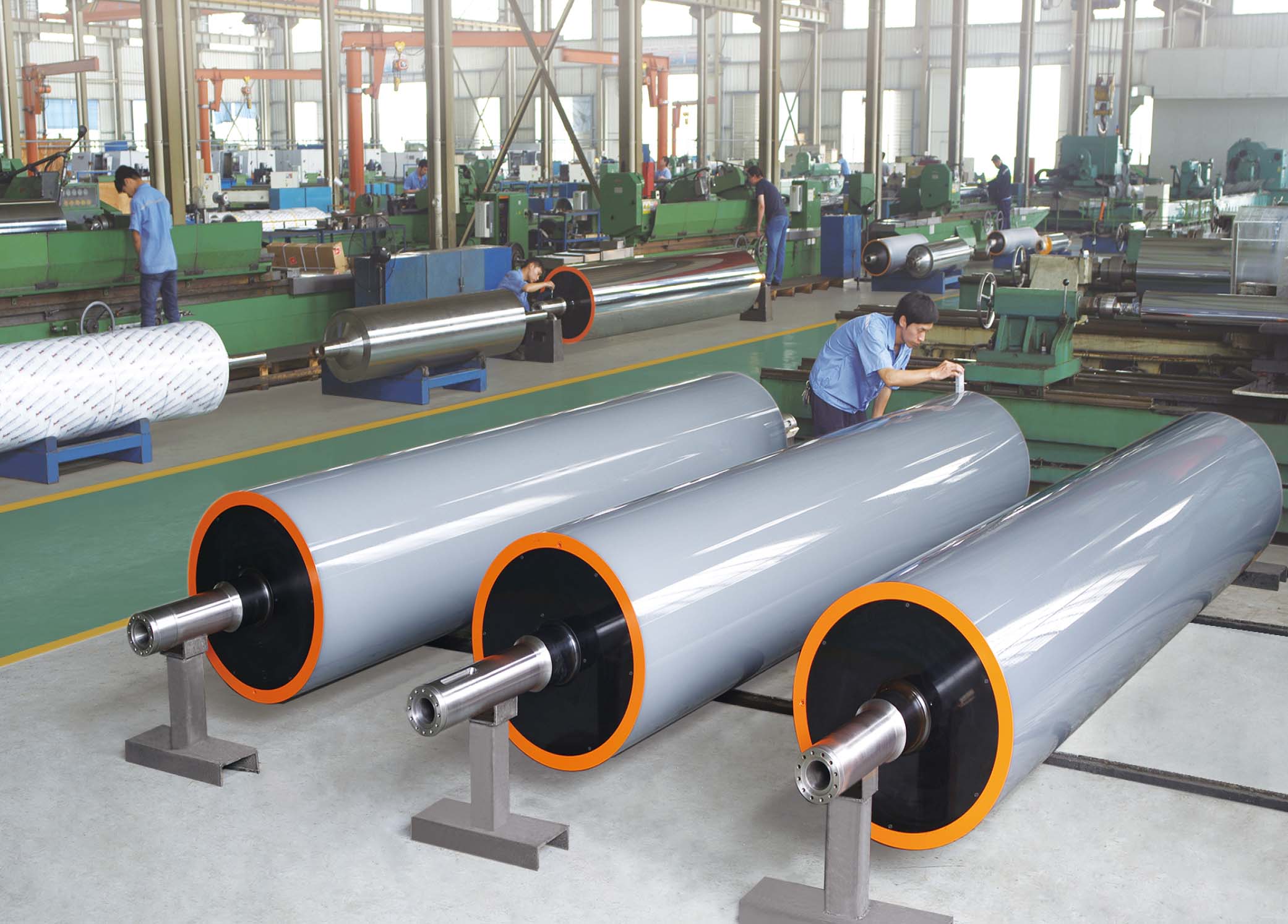
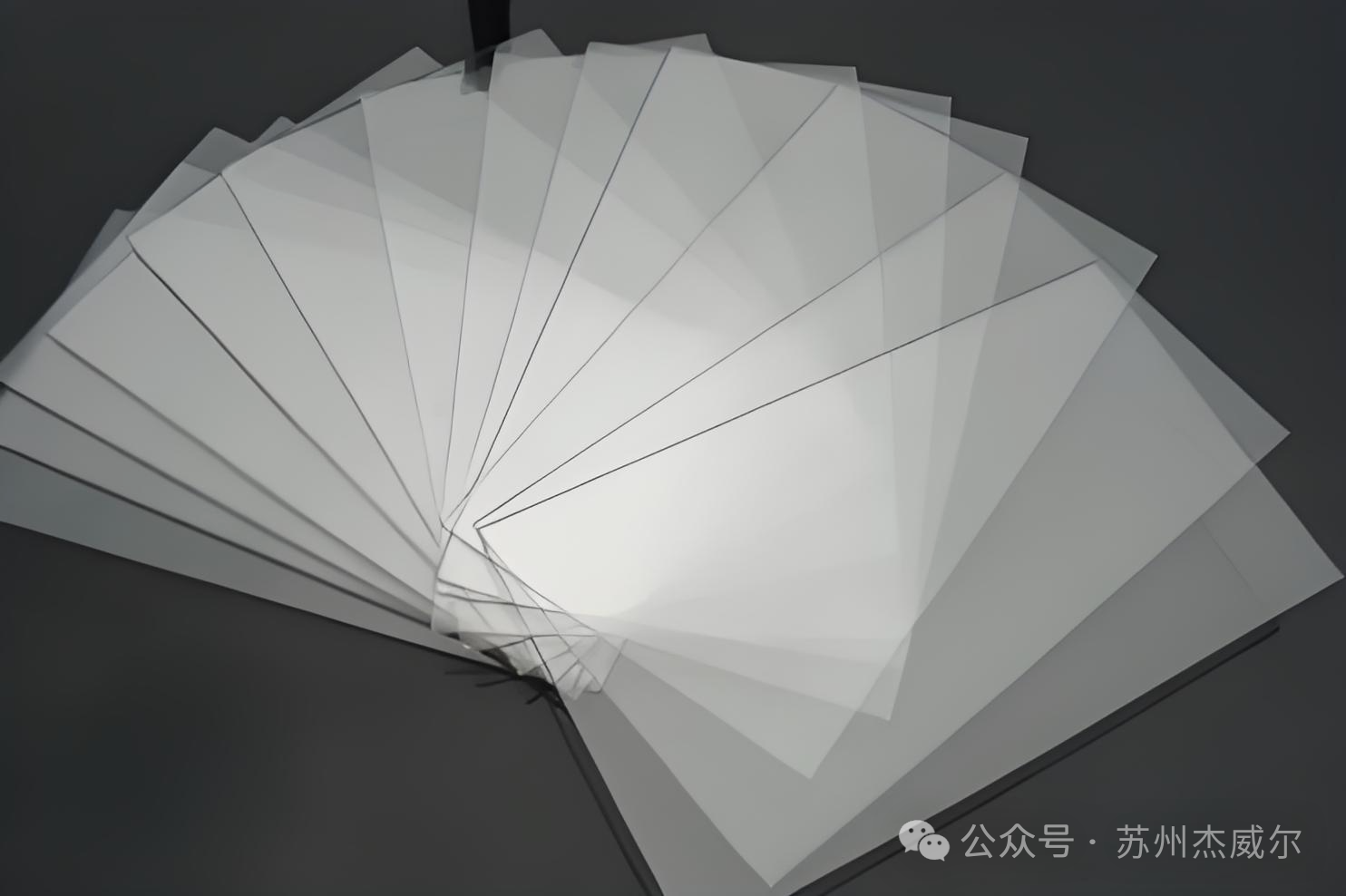
The thin-wall high-efficiency roller from Suzhou Jwell is a key cooling and shaping device in polymer sheet extrusion casting production lines, typically used for sheets ranging from 0.5mm to 15mm in thickness. Utilizing internal cooling heat exchange and high-precision roller surface contact, it rapidly and uniformly cools extruded high-temperature molten thick sheets, ensuring stable dimensions, a smooth surface, uniform crystalline structure, and minimal internal stress. Its name stems directly from its game-changing structural design: the traditional roller's thick shell is significantly thinned, while innovative internal support and flow channel designs achieve a leap in heat exchange efficiency without compromising extreme mechanical strength.
Two
Design Features: Innovation in Structure, Materials, and Craftsmanship
1 The structural design of the thin-wall high-efficiency roller integrates three key aspects—thin walls, large flow channels, and high strength—to enhance cooling efficiency at the physical level. The thickness of its roller shell is precisely reduced to 50%–70% of that of a standard roller, significantly lowering heat transfer resistance and thermal inertia. To achieve efficient heat exchange, Suzhou Jwell scientifically optimizes the internal support structure by minimizing the area of rib supports, thereby greatly increasing the direct contact area between the cooling medium and the inner wall of the roller shell. To address the strength challenges posed by the thin-wall design, an integrated arc-shaped (arched) flow channel is adopted. This structure functions like a continuous pressure vessel shell, evenly distributing internal and external pressures. As a result, while achieving remarkable weight reduction, it ensures excellent deformation resistance and load-bearing capacity.
2 Materials and Manufacturing Process of Suzhou Jwell's Thin-Wall High-Efficiency Roller The roller body is made of high-quality alloy steel and undergoes strict tempering treatment to achieve a dense and uniform internal microstructure, striking an optimal balance between high strength and toughness. Building on this foundation, the roller surface is further treated with deep-layer quenching, significantly enhancing the base hardness to provide robust resistance against wear and deformation during long-term operation. Through the electrolytic hard chrome plating process, an ultra-hardened layer with even higher hardness is formed on the surface. This dense and chemically stable layer grants the roller excellent wear resistance, corrosion resistance, and anti-melt adhesion properties. Based on this high-precision substrate, the roller surface can be mirror-polished or even super-mirror-polished to produce high-gloss sheets. Alternatively, it can be custom-processed with various finishes—such as matte, frosted, or textured patterns—or coated with functional layers like Teflon, directly imparting the desired surface characteristics to the final product.
3 Surface Treatment Process of Suzhou Jwell's Thin-Wall High-Efficiency Roller High Surface Smoothness: Through mirror-finish or even super-mirror grinding and polishing, the roller surface achieves near-ideal optical flatness. This high-precision surface is then replicated onto the sheets, enabling the production of products with exceptional flatness. Functionalized Surfaces: Depending on the requirements of the final product, various finishes—such as matte, frosted, or textured patterns—can be applied to the same high-precision substrate. Alternatively, specialized coatings like Teflon can be sprayed onto the surface. These treatments directly impart specific visual effects and functional properties to the sheets, such as anti-adhesion or easy release.
Three
Suzhou Jwell's thin-wall high-efficiency roller achieves a balance of efficiency, quality, and cost-effectiveness in polymer sheet production through optimized design. Its exceptional heat exchange efficiency allows production lines to operate at higher line speeds or with shorter cooling section lengths under identical operating conditions, directly resulting in increased production capacity. At the same time, the roller's extreme temperature uniformity and ultra-precise surface ensure that the sheets exhibit minimal thickness tolerance, while eliminating warping, deformation, and internal stress concentration. This guarantees surface consistency across all produced products. In terms of operational economy, the rapid thermal response enabled by the roller's thin-wall structure reduces the downtime and energy consumption required for temperature adjustments during product changeovers. Additionally, its efficient heat transfer capability lowers the overall load on the cooling system, achieving energy savings and cost optimization even during high-speed, high-quality production.
In summary:The thin-wall high-efficiency roller is a critical component in polymer sheet extrusion casting production lines. Suzhou Jewell employs an optimized design featuring thin walls, large flow channels, and high-strength topology, which significantly enhances heat exchange efficiency while ensuring mechanical strength. Combined with a high-quality alloy steel substrate, deep quenching, hard chrome plating, and mirror/functionalized surface treatments, it enables stable production of high-gloss or specially textured sheets. This ensures dimensional stability and surface flatness of the sheets, achieving a balance of efficiency, quality, and cost-effectiveness.