Which blow molding machine should you choose for the best quality at the lowest cost? This strategic decision dictates your production efficiency and final profitability. In this guide, you will learn the core differences between EBM and IBM. We break down which process best fits your specific manufacturing needs.
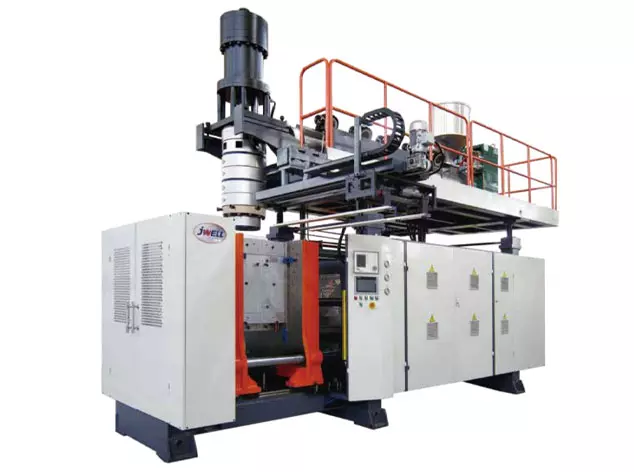
Key Takeaways
● Process Differentiation: EBM expels molten plastic into a hollow tube (parison), while IBM injects it into a predesigned mold cavity using a core rod.
● Product Applications: EBM is the industry standard for hollow objects like bottles and jugs , whereas IBM excels at creating solid-base components and precision medical parts.
● Waste Management: An IBM blow molding machine significantly reduces material waste and finishing requirements compared to the high scrap levels typical of EBM.
● Design and Precision: IBM provides extreme accuracy and 3D design capabilities , while EBM offers greater design flexibility for unique wall shapes.
● Cost Considerations: Although IBM molds generally require higher upfront engineering costs, they offer long-term value through efficient material use and high-volume precision.
The Core Comparison: Extrusion vs. Injection Blow Molding
The primary technical split between these two methods lies in how the blow molding machine delivers molten plastic to the mold. In EBM, the machine expels plastic into a hollow tube, whereas in IBM, the plastic is first injected into a predesigned mold cavity.
Feature | Extrusion Blow Molding (EBM) | Injection Blow Molding (IBM) |
Primary Component | Hollow tube called a "parison" | Metal shank or "core rod" |
Product Geometry | Hollow objects (bottles, jugs) | Solid or precision parts (vials, connectors) |
Scrap Production | High levels due to trimming | Low to minimal scrap |
Design Detail | High design flexibility for wall shapes | Extreme precision for 3D components |
One of the most significant differences is the use of the parison versus the core rod. EBM uses a parison that is sealed into a mold and inflated, which often results in excess material—known as flash—that must be trimmed away. Conversely, an IBM blow molding machine uses a metal core rod to transfer the pre-formed part into the blowing unit. This process allows for 3D design capabilities and highly accurate wall uniformity without the waste associated with extrusion.
Understanding the Extrusion Blow Molding (EBM) Workflow
The EBM process is a specialized form of plastic processing designed to create one-piece hollow objects. Inside the blow molding machine, plastic is melted and then extruded (pushed out) into a hollow tube called a parison. This parison is essentially the "skeleton" of your final product.
Once the parison reaches the appropriate length, the mold closes around it at the blow station. Air is then blown into the tube, inflating the plastic until it presses against the mold walls and takes the desired shape. After the part cools, the mold opens, and the part is removed. Because the mold must pinch the parison to seal it, EBM produces a high level of scrap material that must be mechanically trimmed from the finished part.
This workflow is the gold standard for high-volume, cost-effective output of items like water bottles, milk jugs, automotive parts, and coolers. It offers a unique level of design flexibility because each half of the mold can form its own distinct wall shape.
Decoding the Injection Blow Molding (IBM) Process
Developed in the 1930s to boost efficiency, injection molding evolved into IBM to handle specific precision needs. This process is a two-stage operation. First, the blow molding machine melts plastic and injects it into a predesigned mold to form a "preform" around a core rod. This ensures the neck and threads of a bottle or the base of a part are perfectly formed before the blowing even begins.
In the second stage, the machine rotates the core rod to a blow molding unit where the part is inflated and cooled. Because the plastic is injected into a closed cavity under high pressure, the resulting parts require minimal finishing and produce very little waste. This makes IBM the preferred choice for medical and research applications where precision is non-negotiable.
The complexity of an IBM blow molding machine lies in its rotation mechanism. It manages three sets of core rods simultaneously: one set for injecting the resin, one for blowing the part, and one for ejecting the finished product. This high-speed rotation allows for the mass production of quality parts with extreme accuracy.
Tooling and Mold Design Differences
The choice of blow molding machine significantly impacts your upfront engineering costs and mold design requirements. IBM requires detailed tooling, usually made of high-grade aluminum or stainless steel, capable of withstanding extreme heat and pressure. For IBM to work correctly, there must be a high-precision match between the mold halves to control the resin flow perfectly. This precision makes injection molds more expensive than their extrusion counterparts.
In contrast, EBM molds offer more design flexibility. Since the plastic is extruded into a tube rather than injected into a cavity, the mold doesn't need to handle the same level of injection pressure. This often results in lower tooling costs and faster development cycles.
● IBM Tooling: Focuses on multi-cavity options for small parts, allowing for mass production of identical items in a single cycle.
● EBM Tooling: Focuses on the external shape of hollow objects, providing versatility for various industries.
Material Compatibility for Each Machine Type
Your choice of polymer often dictates which blow molding machine you can use. Both processes support common materials, but they have specific strengths.
Extrusion Blow Molding is most commonly paired with:
● High-density polyethylene (HDPE): Used for milk jugs and industrial containers.
● Polypropylene (PP): Ideal for heat-resistant bottles.
● Polyethylene terephthalate (PET): Standard for beverage bottles.
Injection Blow Molding specializes in technical resins:
● Polycarbonate and Acrylic: Used for clear, high-strength medical components.
● Polyoxymethylene (POM): For high-stiffness engineering parts.
● Polyethylene (PE): Frequently used for small cosmetic or pharmaceutical bottles.
IBM also offers superior material flexibility in terms of color changes. Because the injection unit can be cleaned and purged more efficiently than a long extrusion screw, switching colors or resin types is often faster and results in less contaminated material.
Production Volume and Cost Efficiency
When evaluating the ROI of a blow molding machine, you must look at the total cost of ownership, including scrap, labor, and cycle times.
EBM is the undisputed king of high-volume hollow part production. If you need to produce millions of milk jugs or laundry detergent bottles, the speed and relatively low tooling cost of EBM make it the most cost-effective path. However, you must account for the cost of recycling or disposing of the high volume of scrap material produced.
IBM is ideal for high-volume orders of small, precision parts. While the upfront engineering is significant, the efficient use of material and the elimination of trimming labor make it highly profitable for mass-producing items like medical vials or small lotion bottles.
Factor | Extrusion Blow Molding (EBM) | Injection Blow Molding (IBM) |
Startup Time | Faster due to simpler tooling | Slower due to complex mold engineering |
Labor Cost | Higher (due to trimming/finishing) | Lower (minimal finishing required) |
Best Volume | Very high (containers) | High (precision small parts) |
Conclusion
Choosing the right blow molding machine depends on your product geometry and production scale. EBM creates hollow containers , while IBM offers precision for complex 3D parts with minimal waste. Specialized solutions from jwellmech help you maximize quality and profitability throughout the manufacturing lifecycle. Our high-performance machinery ensures your specific material needs meet the highest industry standards.
FAQS
Q: What is the main product difference between each Blow Molding Machine?
A: EBM machines create hollow items like bottles , while an injection blow molding machine produces solid-base precision parts.
Q: Why does IBM produce less waste than EBM?
A: An IBM blow molding machine injects resin directly into a mold , eliminating the high scrap levels common in extrusion trimming.
Q: How do mold costs compare for a Blow Molding Machine?
A: IBM molds are typically more expensive than EBM due to the extreme precision required for resin flow.
Q: Which process offers better design flexibility?
A: EBM provides higher design flexibility between mold halves , whereas IBM focuses on high-precision 3D components.


