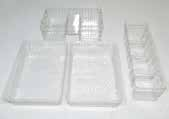
A CPET container is a versatile packaging solution made from Crystallized Polyethylene Terephthalate (CPET). This material is commonly used in the food packaging industry due to its durability and heat resistance. CPET containers can withstand extreme temperature fluctuations, making them ideal for packaging products that will be frozen and later reheated, such as ready-to-eat meals, frozen foods, and microwave-safe trays. At Jwell, we recognize the importance of CPET containers in providing a practical and sustainable packaging option that ensures food quality while being environmentally friendly.
What is a CPET container?
A CPET container is a type of food packaging made from crystallized polyethylene terephthalate (CPET). This material is an advanced version of PET (Polyethylene Terephthalate) that has been treated to achieve a crystalline structure. The crystallization process gives CPET its key features—improved heat resistance, rigidity, and the ability to retain its form at both low and high temperatures. This makes CPET containers an ideal choice for packaging food that will be frozen, stored, and then reheated in the microwave or oven.
CPET containers are widely used for various applications, particularly for ready-to-eat meals, frozen dinners, and other food products that require high-temperature processing or storage. They offer a safe, secure, and convenient packaging solution for consumers and manufacturers alike.
Material and durability
One of the standout features of CPET containers is their material properties. CPET is known for its high level of durability and heat resistance. Unlike regular PET containers, which can warp or lose shape under high temperatures, CPET containers remain rigid and structurally intact even in extreme conditions. They can withstand temperatures ranging from -40°C to +220°C, which allows them to go directly from the freezer to the microwave or oven without issues. This makes CPET ideal for a wide range of food products, from frozen meals to hot, ready-to-eat dishes.
The material’s rigidity also helps CPET containers retain their shape during handling and transportation, ensuring that food remains securely packaged and undamaged. This durability is essential for food manufacturers who need reliable packaging that maintains the quality and presentation of their products.
Environmental impact and recyclability
In addition to its durability and heat resistance, CPET is an environmentally friendly material. CPET is fully recyclable, meaning it can be collected and repurposed after use, helping reduce waste and the environmental impact of plastic packaging. This makes CPET containers a more sustainable option compared to non-recyclable alternatives. Many CPET containers are made using recycled PET (rPET), which further enhances their environmental benefits by reducing the need for new plastic production and conserving resources.
By opting for CPET, food manufacturers can contribute to reducing the amount of plastic waste that ends up in landfills, making it an attractive choice for companies focused on sustainability and meeting the growing consumer demand for eco-friendly products.
Food freshness and safety
CPET containers are designed to protect the food inside, maintaining its freshness and quality over time. The material’s superior barrier properties prevent the penetration of moisture, oxygen, and light, all of which can compromise food quality. This makes CPET containers particularly effective for frozen foods, where maintaining the integrity and flavor of the product is crucial.
The containers’ secure sealing properties help prevent contamination, ensuring that the food remains safe for consumption. CPET packaging also helps extend the shelf life of products by protecting them from external factors during storage and transportation. This is especially important for convenience foods, where quality preservation is a top priority for both manufacturers and consumers.
Applications in food packaging
CPET containers are widely used in the food packaging industry, especially for products that require the ability to withstand both freezing and reheating. They are commonly found in packaging for:
Frozen meals: CPET containers are perfect for meals that are frozen and then reheated in the microwave or oven.
Ready-to-eat meals: These containers offer a convenient solution for single-serve meals that are pre-cooked and ready for immediate consumption.
Baked goods: CPET is used to package desserts and bakery items, where maintaining freshness and presentation is essential.
Processed meats: CPET containers are also used for packaging meats that require a longer shelf life or specific storage conditions.
The versatility of CPET containers makes them suitable for a broad range of food products, providing manufacturers with a reliable solution that maintains food quality while offering convenience for consumers.
Conclusion
In conclusion, CPET containers are a durable, heat-resistant, and environmentally friendly packaging solution widely used in the food industry. Their ability to withstand extreme temperature conditions makes them ideal for packaging frozen meals, ready-to-eat dishes, and other food products that require both freezing and reheating. With their superior barrier properties, CPET containers help maintain food freshness and ensure safety, making them an essential choice for manufacturers looking to offer high-quality and convenient food packaging. By choosing CPET, companies can also contribute to sustainability efforts, as the material is recyclable and environmentally friendly. CPET containers are a smart, practical solution for the modern food packaging industry, meeting both functional and ecological needs.