The spinning beam is a crucial component in the textile industry, specifically in the process of fiber production. It plays a vital role in converting raw materials into high-quality fibers that are used in various applications such as textiles, clothing, and industrial materials.
The spinning beam is designed to melt and filter the raw material, typically polymers or thermoplastics, into a homogeneous melt. This melt is then evenly distributed to the spinneret holes of the spinneret, a device with multiple small orifices. The spinneret holes are carefully engineered to control the flow rate and diameter of the melt, ensuring uniformity and consistency in the resulting fibers.
Once the melt is distributed to the spinneret holes, it is spit out from these holes to form a continuous trickle of molten material. This molten material is rapidly cooled as it comes into contact with the surrounding air, solidifying into thin strands of fiber. These fibers are then collected and further processed to enhance their strength and durability.
The spinning beam is equipped with advanced filtration systems to remove any impurities or irregularities from the melt. This ensures that the resulting fibers are of high quality, free from defects and contamination. The precise control of the spinneret holes also contributes to the overall quality of the fibers, determining their thickness and uniformity.
The applications of fibers produced using spinning beam technology are vast. In the textile industry, these fibers are used to create fabrics for clothing, home textiles, and technical textiles. They can be blended with other materials to achieve specific properties such as elasticity, moisture-wicking, or flame resistance.
Furthermore, the fibers produced by spinning box technology find applications in non-woven fabrics, filtration materials, geotextiles, and industrial materials like ropes and cords. Their versatility and strength make them ideal for a wide range of industries.
In conclusion, the spinning beam is an essential component in the fiber production process. Its ability to melt, filter, and evenly distribute the raw material into fine fibers ensures the production of high-quality materials for various applications. With its advanced technology and precise control, the spinning box plays a significant role in the textile industry, contributing to the production of durable and versatile fibers.
Your benefits
Sustainability saves money
Automation makes processes more efficient
Digital plants help you maintaining the overview
Easy maintenance ,faster start up
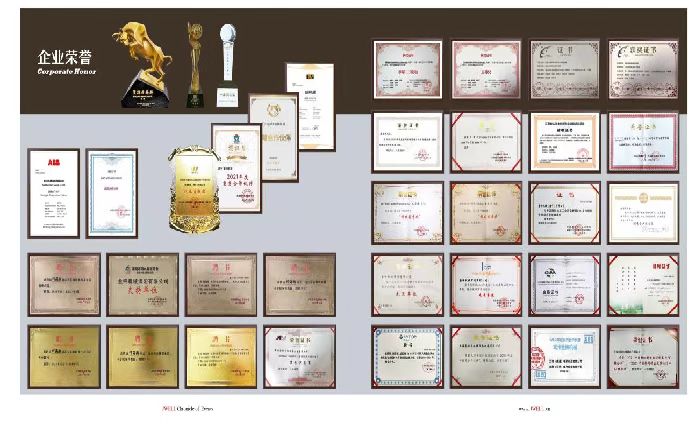
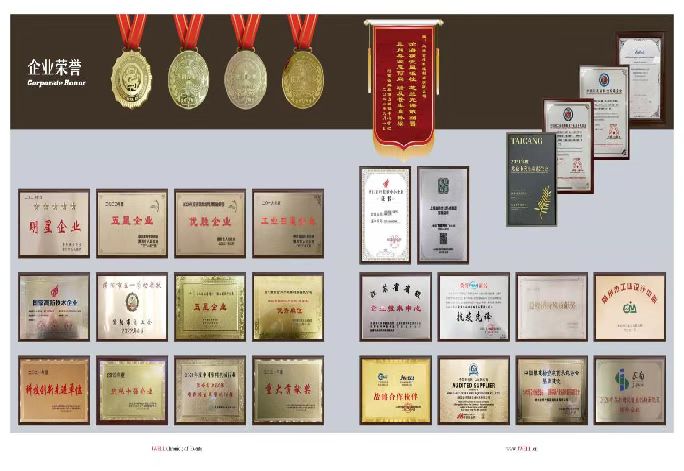
Enterprise Honors
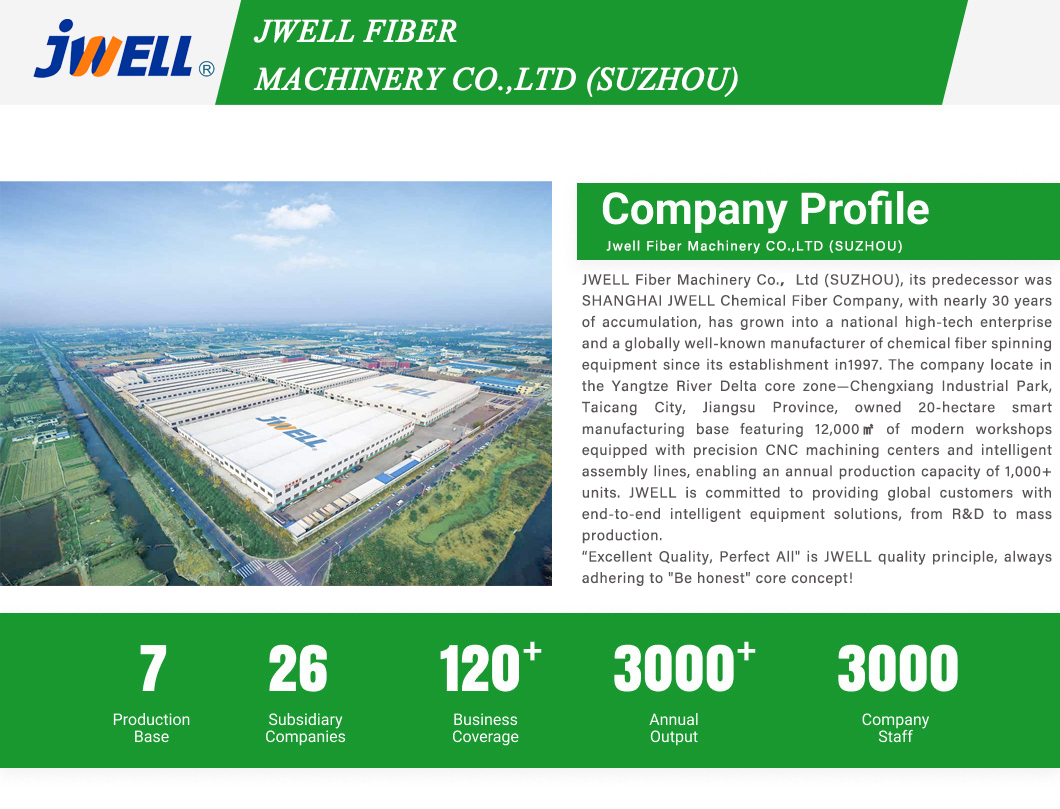
Company profile
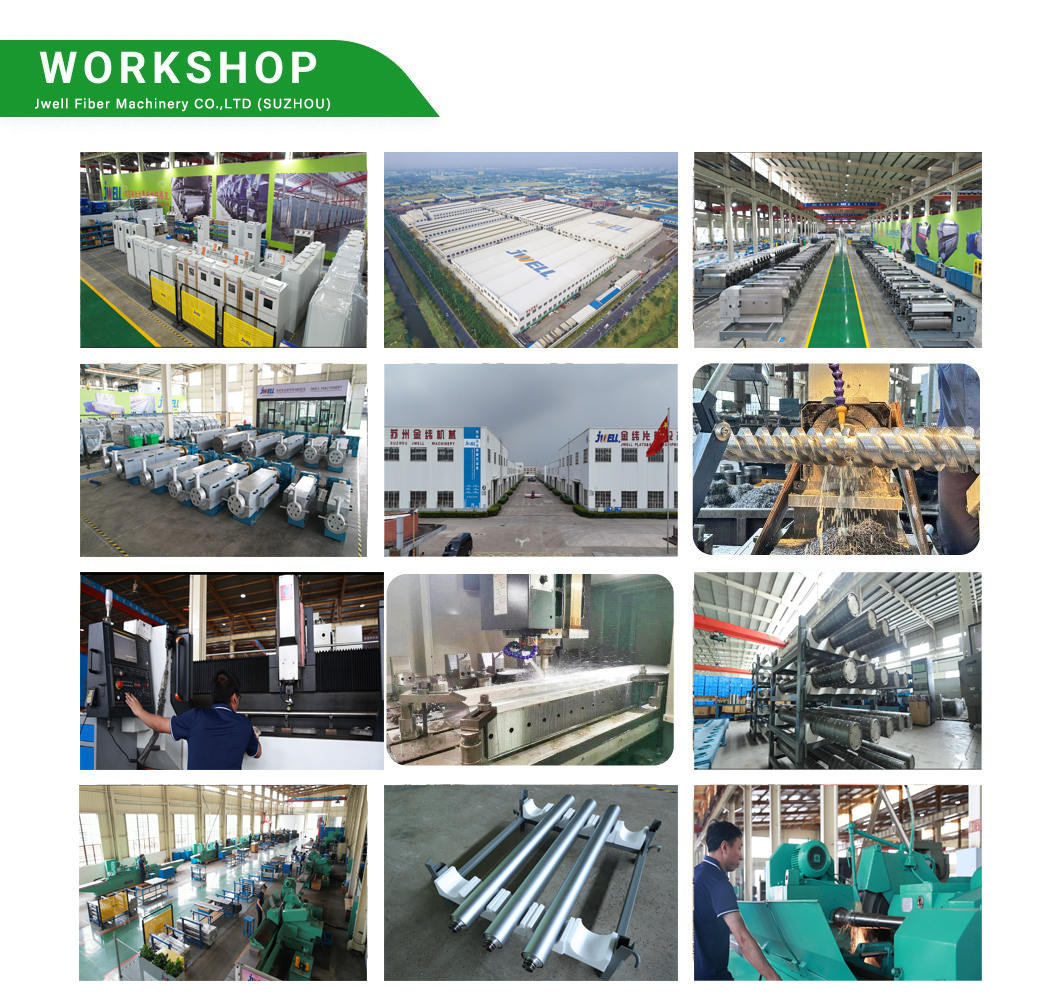
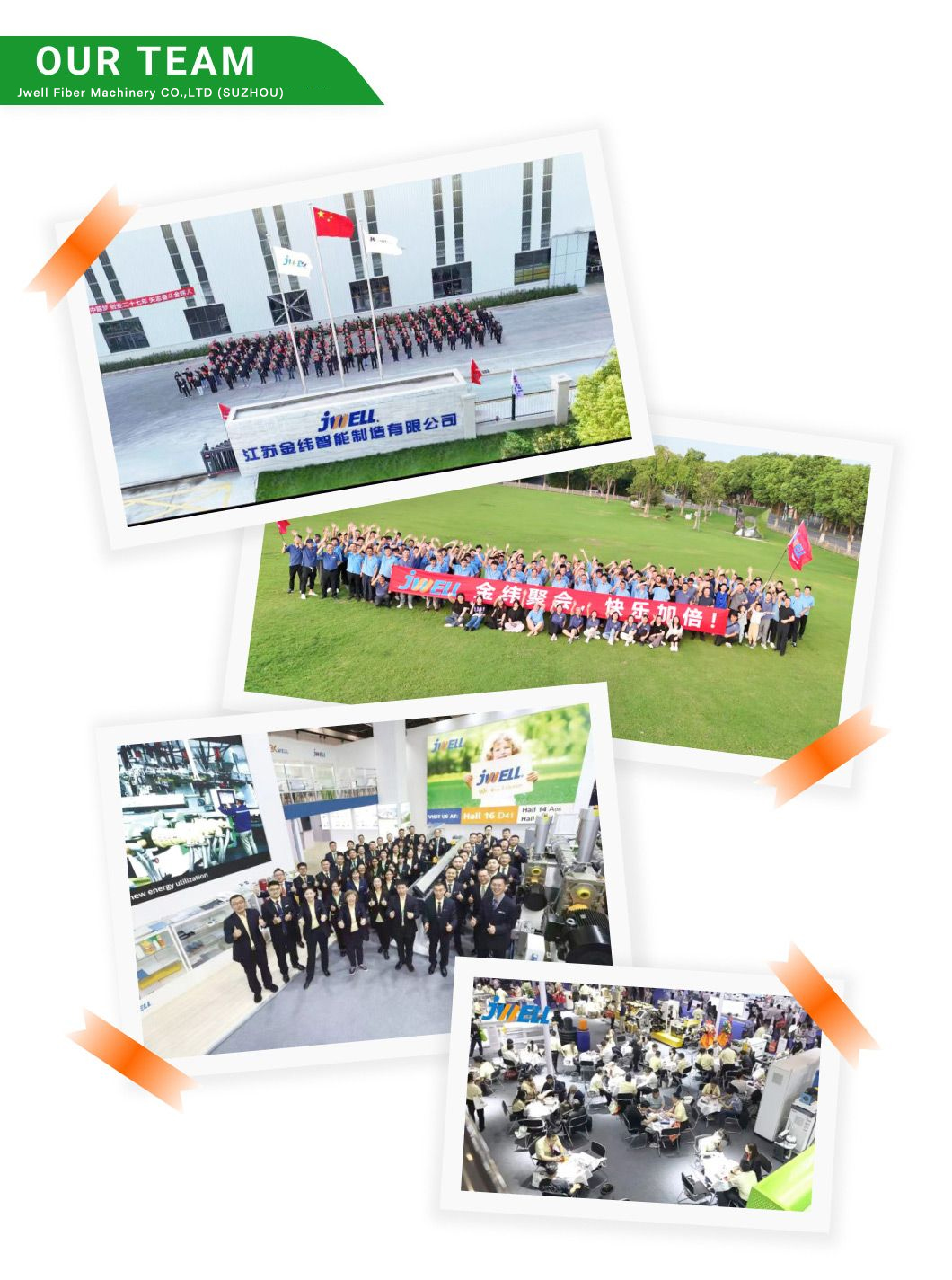
JWELL Fiber Machinery Co.,Ltd (SUZHOU), its predecessor was Shanghai JWELL Chemical Fiber Company, with nearly 30 years of accumulation, has grown into a national high-tech enterprise and a globally well-known manufacturer of chemical fiber spinning equipment since its establishment in1997. The company locate in the Yangtze River Delta core zone—Chengxiang Industrial Park, Taicang City, Jiangsu Province, owned 20-hectare smart manufacturing base featuring12,000㎡ of modern workshops equipped with precision CNC machining centers and intelligent assembly lines, enabling an annual production capacity of 1,000+ units. JWELL is committed to providing global customers with end-to-end intelligent equipment solutions, from R&D to mass production.
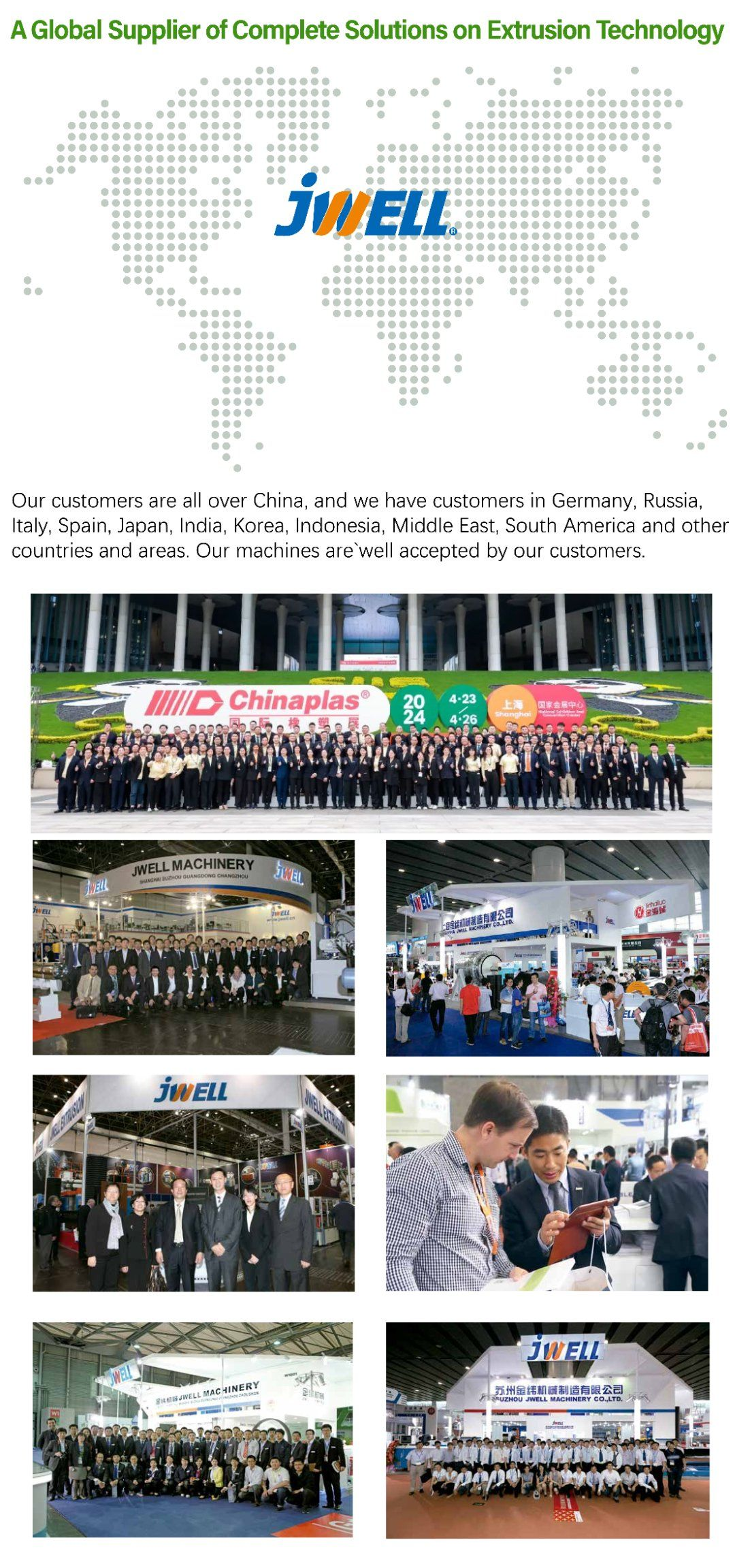
A Global Supplier Of Completeb Solutions On Extrusion Technology