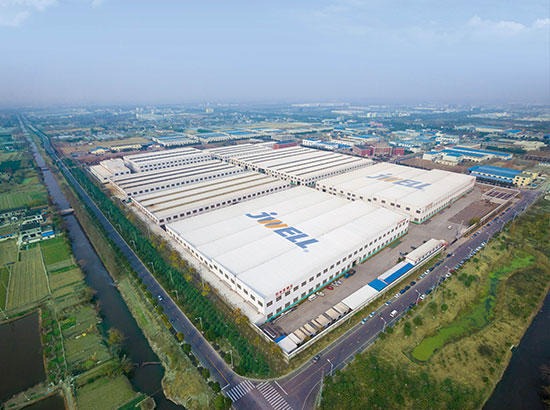
How can precision pattern embossing rollers empower multiple industries? such as plastics, leather patterns, and building materials
A .Precision pattern embossing rollers of Suzhou jwell are a core component in modern industrial production for achieving refined surface finishing of products, often hailed as the "industrial engraver." They can precisely imprint three-dimensional textures at a micron-level depth on a variety of flexible or semi-rigid materials such as plastic films, leather, metal foils, paper, and non-woven fabrics, endowing products with unique aesthetic and tactile experiences.
Their value extends far beyond traditional decorative applications. By imparting diverse textures such as fine matte finishes, luxurious leather grains, and natural wood grains, they not only enhance the visual depth and tactile refinement of products but also significantly strengthen brand recognition and market competitiveness. As such, they serve as a critical technological means for driving product differentiation and high value-added transformation.
B. The key to achieving this effect lies in the principle of "precision" that permeates its design, manufacturing, and application:
Structural Precision: The roller body is constructed from high-strength alloy substrate, refined through precision turning and dynamic balancing adjustments. This ensures minimal radial runout during high-speed operation, guaranteeing a stable and uniform embossing process.
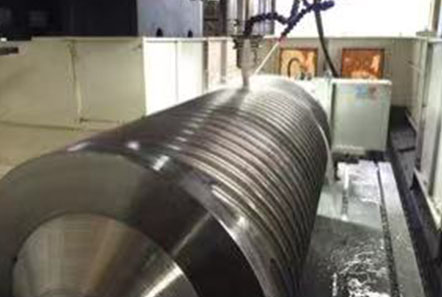
Engraving Precision: The surface patterns are formed using advanced techniques such as CNC laser engraving, precision electrolytic etching, or chemical etching. These methods enable high-fidelity replication of every microscopic detail in complex designs, achieving natural depth transitions and consistently clear lines, thereby ensuring highly repeatable results in mass production.
Engraving Precision: The surface patterns are formed using advanced techniques such as CNC laser engraving, precision electrolytic etching, or chemical etching. These methods enable high-fidelity replication of every microscopic detail in complex designs, achieving natural depth transitions and consistently clear lines, thereby ensuring highly repeatable results in mass production.
Surface Precision: The roller surface undergoes hardening treatments such as hard chrome plating or specialized ceramic coating, resulting in high hardness, excellent wear resistance, and strong corrosion resistance. This ensures that the texture remains stable, clear, and undiminished throughout prolonged continuous production.
Thanks to such precision characteristics, precision pattern embossing rollers are widely used in fields such as high-end packaging, decorative materials, fashion leather products, consumer electronics casings, and automotive interiors. They serve as a critical bridge connecting creative design with large-scale, high-quality manufacturing.
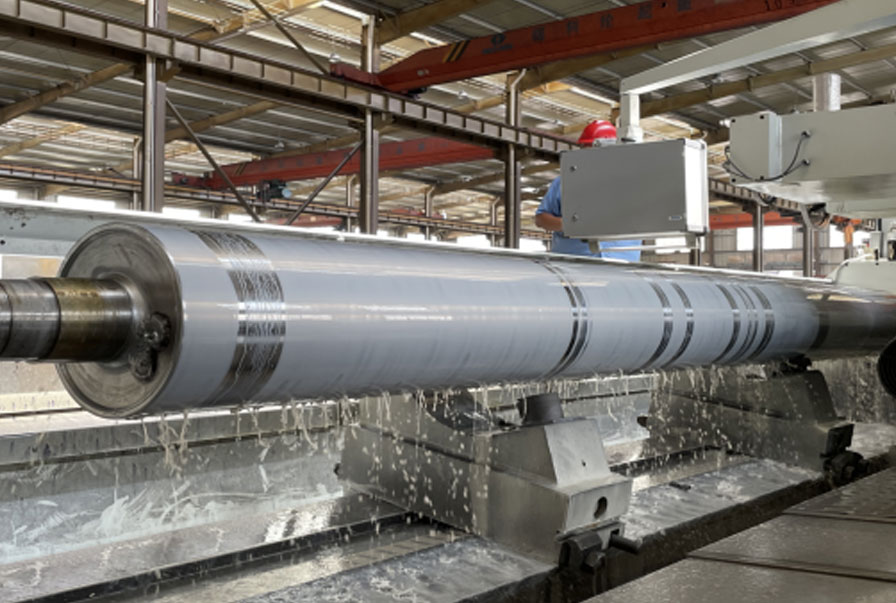
C .Pattern embossing rollers are indispensable core processing equipment in modern industry. Utilizing precise physical imprinting technology, they impart three-dimensional surface textures to various materials, enabling a transition from "visual perception" to "tactile experience." This has established them as a key technological force driving the upgrading of multiple industries.
1. In the decorative building materials sector, this technology is redefining the balance between material aesthetics and environmental sustainability. By imprinting highly realistic wood and stone textures onto substrates such as PVC flooring and wall panels, it achieves a perfect replication of natural textures using synthetic materials. Moreover, it promotes the sustainable development of the industry through superior stability and low maintenance costs. Simultaneously, the embossing process brings three-dimensional relief effects to wallpapers and wall fabrics, adding rich visual layers to modern living spaces and embedding delicate tactile expressions within minimalist designs.
2 In the packaging and printing industry, embossing technology extends brand value from flat surfaces into three-dimensional space. The precision textures imprinted on high-end cosmetics and luxury packaging—such as leather and silk patterns, combined with embossed brand logos—create unique sensory imprints. This tactile quality not only significantly elevates product prestige but also enables physical anti-counterfeiting through microtext and other intricate structures, building a reliable technological moat for brands.
3 In the fields of leather, textiles, and automotive interiors, embossing technology is reshaping the tactile standards of materials. Through the precise replication of rare grain textures on artificial and synthetic leather surfaces, it not only achieves visual effects comparable to natural materials but also optimizes breathability and feel through scientifically designed textures. In automotive interiors, from instrument panels to seat fabrics, precision embossing not only enhances visual aesthetics but also provides comfortable tactile feedback with ergonomically designed textures, creating a high-quality driving and riding atmosphere.
4 In the industrial and functional materials sector, this technology fully demonstrates its engineering value. On electronic product surfaces, the imprinting of anti-slip textures and personalized patterns cleverly integrates practical functionality with design aesthetics. Meanwhile, on functional materials such as optical films and photovoltaic backsheets, the imprinting of precise microstructures enables accurate control of light propagation, showcasing the practical application value driven by technological innovation.
The core competitiveness of embossing roller technology lies in its unique technical advantages: replacing chemical coatings with physical imprinting aligns with green manufacturing trends; high-precision texture replication ensures consistent product quality; and three-dimensional effects create irreplaceable tactile differentiation. This integration of aesthetic value, functional properties, and environmental principles makes it a critical link between creative design and mass production, continuously injecting innovative vitality into the manufacturing industry.
D .Application advantages
1 Sensory Value Enhancement. Embossing rollers create permanent three-dimensional structures on material surfaces through physical methods, directly delivering an upgrade in tactile quality. This multidimensional experience—extending from vision to touch—is difficult to achieve with flat printing or coatings, making it a direct tool for establishing differentiated perception of products in the end market.
2. Functional Integration Innovation. Modern embossing technology has evolved beyond mere decoration, shifting toward functional integrated design. Whether it is the easy-tear structure of packaging materials, anti-slip patterns on flooring surfaces, or optical microstructures in film products, all can be formed in a single process through precise embossing. This approach enhances aesthetics while simultaneously addressing engineering challenges.
3. Economic and Environmental Benefits.
Cost Reduction and Efficiency Improvement: It enables the use of lower-cost substrates (such as ordinary plastics or synthetic leather) to simulate high-end material effects through surface texturing, significantly optimizing product cost structures.
Green Manufacturing: As a dry physical process, it reduces reliance on inks, solvents, and adhesives, lowering VOC emissions at the source. It also facilitates the recycling of single-material products, aligning with sustainable industry practices.
4. Quality Consistency Assurance. High-precision embossing rollers ensure the texture's exceptional consistency, clarity, and durability across every batch and every meter of product. This reliable replication capability serves as the foundation for brands to maintain a high-quality image and achieve large-scale, dependable production.
E. Summary: The precision pattern embossing rollers from Suzhou Jowell, serving as "micron-level engravers" in modern industry, create permanent three-dimensional textures on product surfaces through physical imprinting, extending visual aesthetics into tangible tactile experiences. Their core advantages lie in: achieving high-fidelity replication of wood grains, leather textures, and more through CNC precision engraving, delivering surface effects that blend aesthetics with functionality for industries such as decorative building materials, packaging, and automotive interiors; adopting dry processes to reduce chemical pollution, presenting premium textures on low-cost substrates, significantly optimizing both product costs and environmental performance; and ensuring high consistency and durability of textures in mass production, making them a key technological pillar for brands to achieve differentiated competition and large-scale, high-quality manufacturing.