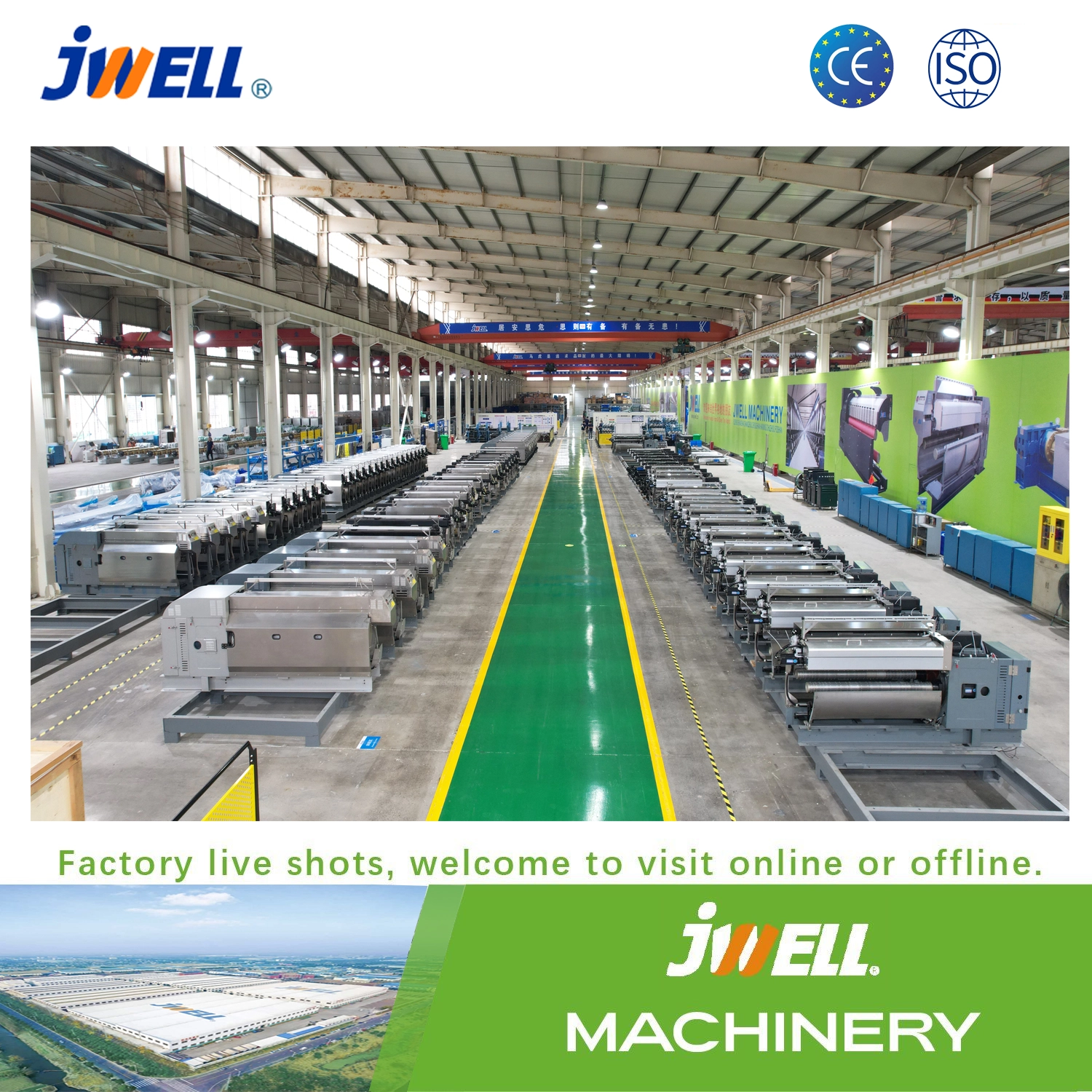
One. Water supply and gas pipes refer to buried pressure pipeline systems manufactured from high-density polyethylene (HDPE) or medium-density polyethylene (MDPE) raw materials through extrusion molding processes. They are specifically designed for transporting drinking water, natural gas, liquefied petroleum gas, and other fuels. Gas pipes have significantly higher safety requirements compared to ordinary pipelines. In practical engineering and market applications, HDPE is more widely used and represents the mainstream choice.
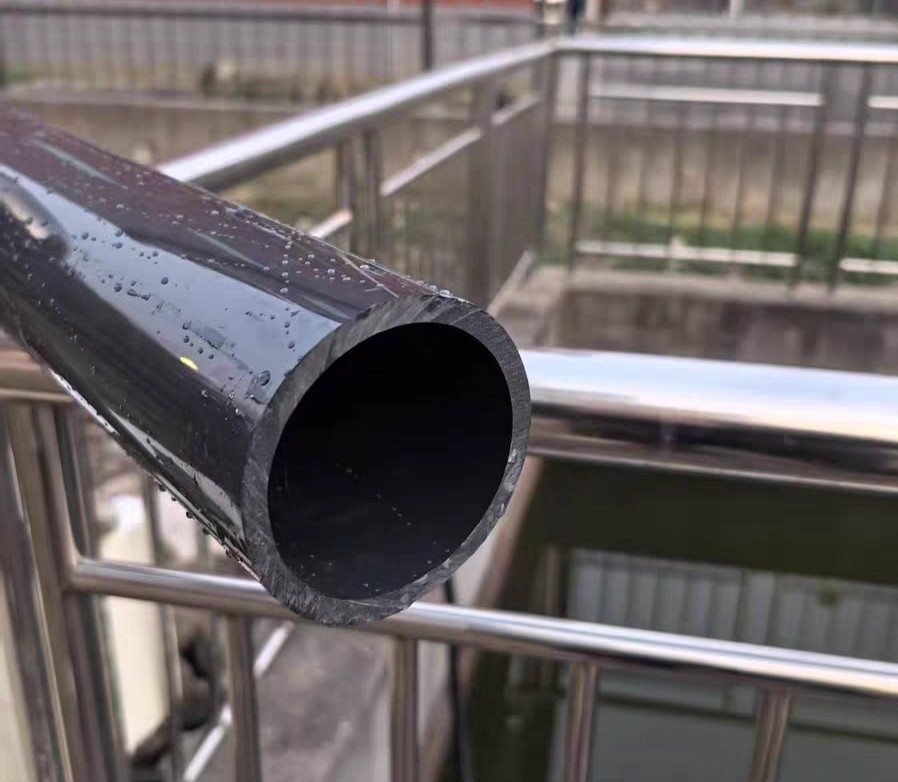
Two. Advantages of HDPE and MDPE water supply and gas pipes
High Safety and Reliability
Integrated Jointing: Utilizing techniques like heat fusion butt welding and electrofusion welding, the pipeline interfaces are fused into a single, continuous structure. This fundamentally eliminates the common leakage issues found in traditional pipe connections, such as bell-and-spigot joints in cast iron pipes or threaded/flanged joints in steel pipes. This represents its most core advantage.
Excellent Flexibility and Impact Resistance: Capable of withstanding external deformations caused by ground settlement, earthquakes, and other forces, making it highly resistant to breakage. In cold regions, the pipe can moderately expand when the conveyed medium freezes and recover after thawing, significantly reducing the risk of pipe bursts.
Long Service Life and Minimal Maintenance
Corrosion Resistance: Immune to soil chemicals, electrochemical corrosion (rust), and scale buildup. It requires no anti-corrosion treatment and can last over 50 years—two to three times longer than cast iron or steel pipes.
Excellent Wear Resistance: Especially suitable for conveying water containing particles (such as raw water or slurry), with minimal inner wall wear.
Significant Economic Benefits – Lowest Total Lifecycle Cost
Lightweight and quick installation: The material weighs only one-eighth as much as steel pipe, making transportation, handling, and laying effortless. Smaller diameters can be coiled, reducing joints and significantly improving construction efficiency while lowering installation costs.
Smooth inner walls and low resistance: Excellent hydraulic performance with a low friction coefficient, resulting in far lower long-term energy consumption (pumping costs) compared to metal or concrete pipes.
Low maintenance costs: Requires almost no maintenance, avoiding expensive corrosion repairs and frequent inspections.
Environmentally Friendly
The production process requires low energy consumption. Minimal construction disruption: suitable for trenchless technologies, reducing environmental and traffic impacts. Recyclable: waste pipe materials can be recovered and reprocessed, aligning with circular economy principles.
Three. The high-efficiency extrusion screw for HDPE/MDPE water supply and gas pipes serves as the "heart" of the pipeline production line. Its design directly determines output, quality, energy consumption, and stability. The core design philosophy of Suzhou JWell's high-efficiency extrusion screw is to achieve stable, high-output, and low-energy extrusion while ensuring plasticization quality (homogeneity, no bubbles, low thermal stress).
Design Objective: To support the large-scale and efficient construction of gas and water supply networks, the core component of the production line—the extrusion screw—must simultaneously meet the stringent requirements of "high output, high speed, high quality, and low cost": namely, high production capacity, superior quality, exceptional stability, and low energy consumption.
To achieve this goal, modern high-efficiency screw design addresses three key challenges:
1.Achieving a balance between output and stability. At high speeds, traditional screws are prone to output pulsation, leading to uneven pipe wall thickness. Modern designs employ barrier or separation screws, akin to implementing intelligent "traffic control" within the barrel. This separates unmelted solid particles from the molten melt, ensuring clear plasticization steps and stable material advancement. As a result, uniform and fluctuation-free output is achieved even at high speeds.
2 Ensuring the unification of quality and energy efficiency. Pipes must withstand high pressure for decades, and any unmelted "gel particles" can become weak points. Therefore, the screw must achieve highly homogeneous melting while avoiding excessive shear-induced heat generation. The secret lies in "gentle yet effective" plasticization: through optimized structure and mixing elements, the material is melted efficiently and uniformly using mechanical energy at lower speeds and shear forces, preventing localized overheating and degradation. This not only ensures material performance but also significantly reduces cooling energy consumption.
3 Possessing broad material adaptability. Especially for gas pipe compounds, which contain large amounts of carbon black and additives, their flow and dispersion characteristics are more complex. Well-designed screws can flexibly adapt to materials with different formulations, ensuring thorough and uniform dispersion of additives like carbon black. This forms the microscopic foundation for guaranteeing the long-term strength and service life of the pipes.
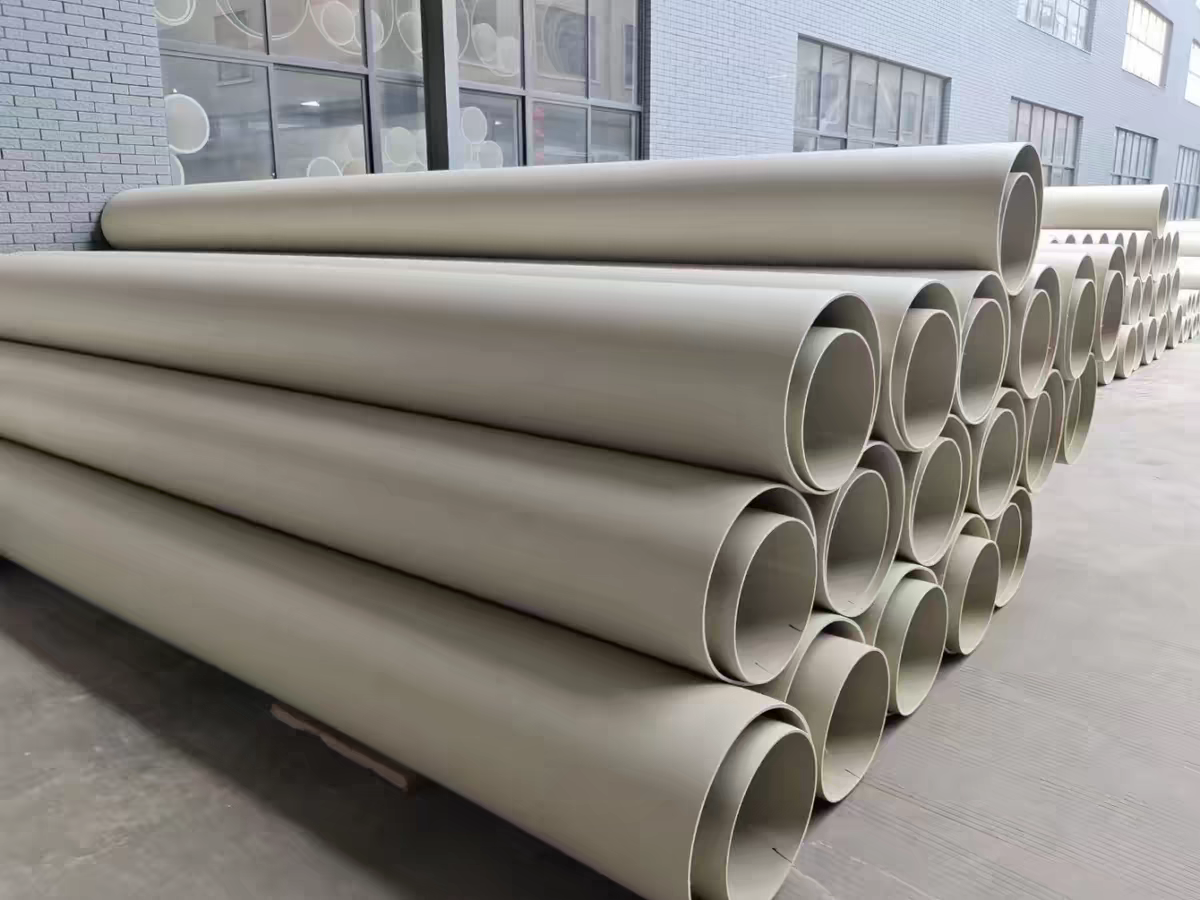
Four. The high-efficiency characteristics of HDPE/MDPE water and gas pipe extrusion screws lie in their precise design within the barrel, enabling optimized transformation from raw materials to high-quality pipes.
1. Stable Plasticization and Output at High Speeds
When traditional screws operate at increased speeds, they are prone to output pulsation—where material flow fluctuates unevenly—leading to inconsistent pipe wall thickness. High-efficiency screws adopt barrier or separation designs, effectively creating "fast and slow lanes" or a "separation wall" inside the barrel. This forcibly separates unmelted solid particles from the molten melt, ensuring that the material undergoes melting in an orderly and stable sequence. As a result, stable and uniform extrusion is maintained even at high rotational speeds, laying the foundation for high output and superior quality.
2. Deep Homogenization and Low-Damage Melting
Pipes are required to withstand pressure for decades, and any unmelted "gel spots" from incomplete plasticization can become potential weak points. The secret of high-efficiency screws lies in achieving plasticization in a "gentle yet powerful" manner. By optimizing screw channel structures and incorporating distributed mixing elements, the material undergoes thorough cutting, recombination, and blending under mechanical action, ensuring high uniformity in both temperature and composition. This process avoids the excessive shear forces often imposed by traditional designs in pursuit of homogeneity, thereby preventing material degradation (damage) caused by localized overheating. In doing so, it preserves material performance while reducing cooling energy consumption.
3. Superior Energy Efficiency
The design of high-efficiency screws precisely converts mechanical energy into plasticization energy. Its "gentle plasticization" concept directly reduces unnecessary shear-induced heat generation. At the same time, optimized conveying efficiency minimizes unnecessary material residence and friction inside the barrel. This means that, at equivalent output levels, the main motor consumes less energy. Additionally, as the melt temperature becomes easier to control, the load on the subsequent cooling system is significantly reduced, achieving energy savings across the entire chain—from plasticization to molding.
4. Especially for gas pipe compounds, which contain significant amounts of carbon black and additives to ensure long-term durability, the design of high-efficiency screws takes into account the flow and dispersion characteristics of complex formulations. Their mixing systems apply effective dispersive shear forces to additives like carbon black, breaking up agglomerations and ensuring uniform distribution within the melt. This not only safeguards the long-term strength of the pipes but also enables a single production line to flexibly adapt to polyethylene materials of different grades and applications, thereby enhancing production flexibility.
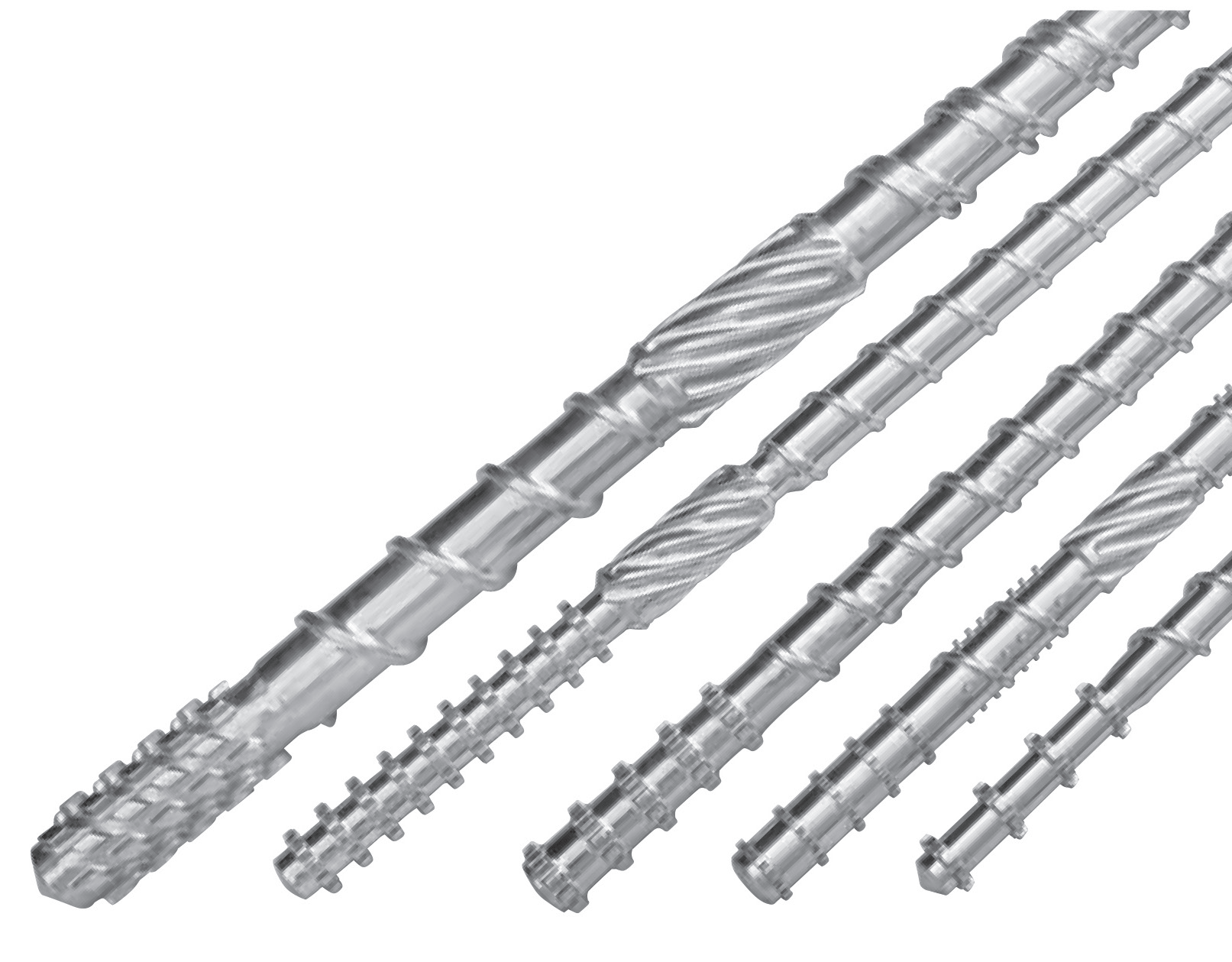
Five.In summary, HDPE/MDPE water and gas pipes are made from high- or medium-density polyethylene, utilize heat-fusion connections to eliminate leaks, and offer flexibility, corrosion resistance, and long service life. Suzhou JWell's extrusion screw serves as the "heart" of the production line. Through barrier design, it enables high-speed and stable extrusion, ensuring homogeneous plasticization of the material while avoiding excessive shear damage. The screw also combines high energy efficiency with broad material adaptability, effectively dispersing carbon black in gas pipe compounds, thereby ensuring the long-term performance of the pipes. It is a key component in achieving efficient production.